
Check out these whole food snacks that are nutrient dense, without being high in calories. You can introduce any of these balanced snacks into your daily routine to help manage hunger in a way that will help you maintain your health at any time of year.
1. Sliced avocado with sliced tomato, olive oil and basil:
Rich in minerals and nutrients to keep your energy up, this snack won’t slow you down because it’s easy to digest and light on your digestive system. It’s rich in healthy fats, vitamin C, potassium and carotenes – good for skin, appetite control, electrolyte balance, and hormone regulation.
2. Plain yogurt with strawberries and blueberries and granola:
Lean protein, fiber and vitamin C, this snack supports the immune system and supports healthy digestion. It is a great substitute for cupcakes when you have a sweet craving, and some people even find it helps them fight off the ice cream cravings after dinner.
3. Carrot sticks, olives, hummus:
Beta-carotene for cancer prevention, fiber, lean protein and healthy fats to control appetite and stabilize blood sugar and energy reserves. Olives give the extra benefit of satisfying a salty craving without reaching for the potato chips.
4. 1/4 cup of almonds, a banana and a pear:
High potassium, folic acid, healthy fat, vitamin E, calcium and pectin, which all help manage appetite, increase energy, prevent osteoporosis, control cholesterol and gives your brain power.
5. Almond butter with sliced apples and rice cake:
A low sodium snack that satisfies the need for crunching and stabilizes blood sugar. Apples in particular can help lower cholesterol and promote weight loss.
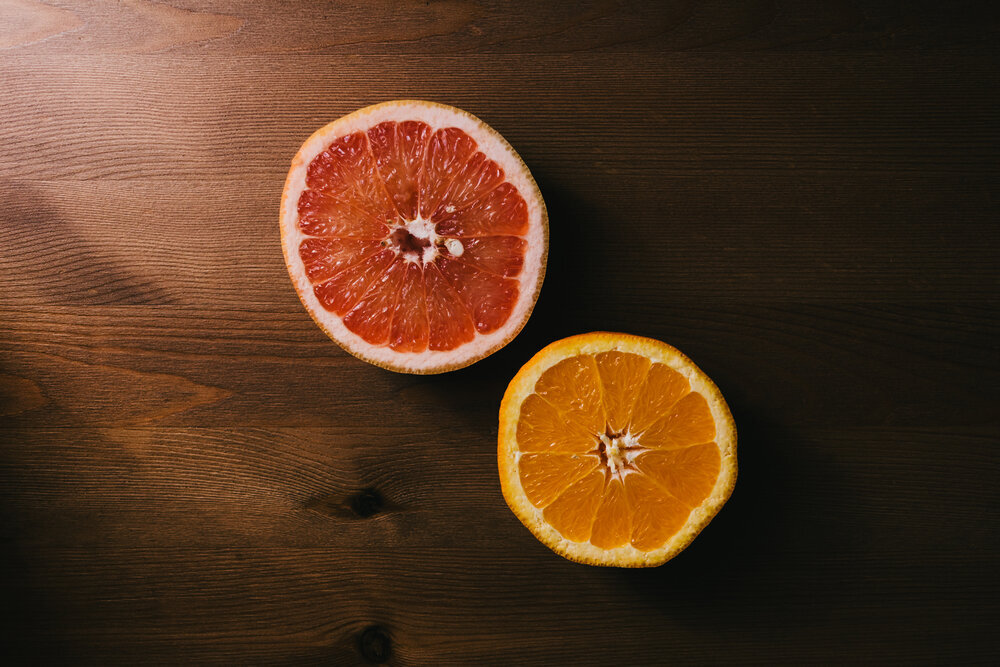
6. 1/2 Grapefruit with 1 teaspoon of honey with blueberries and walnuts:
Walnuts are a powerhouse food rich in magnesium, potassium, iron, zinc, healthy fats and vitamin A – supportive for healthy skin, hormone regulation, appetite control and strong bones. Add blueberries and grapefruit to the snack for immune support, anti-oxidants for cancer prevention, fiber for blood sugar and appetite regulation, folic acid for energy and vitamin C for immune system support.
7. Goat Cheese with figs on whole grain or sunflower bread:
Rich in protein, calcium and complex carbohydrates with the benefits of the essential minerals found in figs. It’s savory and sweet while being low in fat, high in nutrients. The perfect PMS food that satisfies appetite in small servings, regulates blood sugar, and helps support digestive health. If you’re not watching your triglycerides or saturated fat intake, try it with melted brie.
8. Sliced banana and strawberries in milk or yogurt:
High in vitamin C, calcium, protein, magnesium, potassium and fiber, this snack helps prevent bone loss, it supports your immune system, and it regulates appetite and enhances energy levels. To go dairy free try soy or a nut milk.
One of the best ways to help break dietary sabotage patterns is to prevent situations where you are so hungry you are bound to make unhealthy choices. Understanding the body’s hunger mechanisms is very important to managing your eating habits, whether your goal is weight loss, managing an ailment, or just wanting to integrate more healthy choices into your lifestyle. For example, before you’re even hungry, your entire endocrine system, your brain and your stomach have already been communicating to each other about what nutrients are needed when, where and how much. By the time you are “starving” these systems have all gone into deficit mode, and the urgency to obtain food dense with fat, protein and carbohydrates immediately and efficiently becomes an alarm system that overrides all logic and takes you straight to the cheese burger and French fries. You’re so hungry by this point the very thought of a carrot stick sounds absurd, and to the panic stricken endocrine system a salad sounds like rabbit food.
The physiology of hunger is designed to keep us alive, and the core chemistry of the system cannot discern between a New Year’s resolution to lose weight, or a sudden famine in the desert. When your body perceives the threat of starvation, real or imagined, will power has little to do with your ability to stick to your diet goals. This is especially true in the early stages of dietary change when you are teaching your body to make adjustments to new types of foods. For example, if you are used to a high calorie and high fat diet, it will take your body some time to acclimate to healthier fats, and know it won’t starve with fewer calories. For this reason, the nutrient density of your food choices is critical because the brain detects ample amounts of nutrients present in the body, the feeling of satiation is triggered.