Second Spring: An East Asian Medicine Perspective on Perimenopause and Menopause
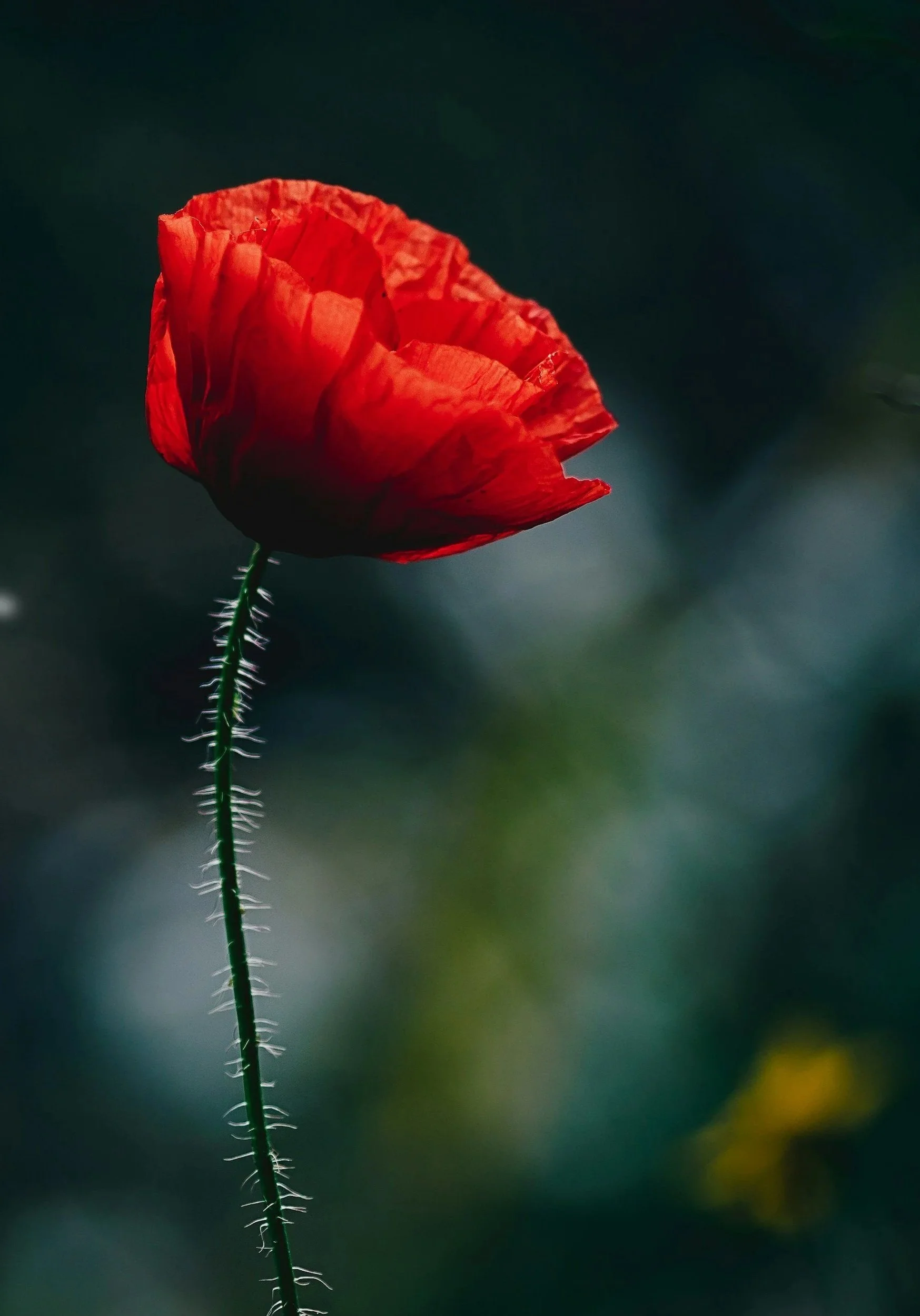
In Traditional Chinese Medicine (TCM), menopause is not viewed as a decline, but as a transition into what is often called a Second Spring—a time of internal reorganization, renewed vitality, and deeper alignment.
As reproductive energy shifts, the body is no longer directed toward menstruation and fertility. Instead, it has the opportunity to conserve and redistribute Jing (essence), supporting long-term vitality, mental clarity, emotional resilience, and embodied empowerment.
Understanding the Changes
From a biomedical perspective, perimenopause and menopause involve fluctuations and eventual decline in estrogen and progesterone, often accompanied by symptoms such as:
Hot flashes and night sweats
Sleep disturbances
Mood changes
Weight gain or metabolic shifts
Fatigue
While common treatments such as hormone replacement therapy (HRT) and GLP-1 medications can play role in managing these symptoms, many individuals continue to experience underlying imbalances—particularly in digestion, stress regulation, and overall energy.
How Chinese Medicine Supports This Transition
Chinese medicine approaches this phase by addressing the pattern of imbalance, rather than isolated symptoms.
Common patterns include:
Kidney Yin deficiency (heat, dryness, insomnia)
Liver Qi stagnation (mood changes, irritability)
Spleen Qi deficiency with dampness (weight gain, bloating, fatigue)
Treatment focuses on restoring harmony through:
Acupuncture to regulate the nervous system and hormonal signaling
Herbal medicine to nourish, move, and rebalance
Dietary therapy to support digestion and metabolic function
Lifestyle practices to reduce stress and improve resilience
Integrating TCM with HRT and GLP-1 Therapies
Chinese medicine can be used on its own or alongside biomedical treatments.
When integrated thoughtfully, it may:
Support digestion and nutrient absorption
Improve sleep and stress resilience
Reduce side effects
Enhance overall wellbeing and long-term outcomes
A Different Perspective on Change
Rather than something to be managed or overcome, this stage of life can be understood as a transition into empowered embodiment, freedom, and vitality.
Chinese medicine offers a deeper understanding as well as a framework to support this shift—gently, consistently, and holistically.
A second spring.
Explore Second Spring at Points of Health
Our Second Spring offerings—including herbal teas, nutritional support, and in-clinic treatments—are designed to support you through this transition.